• Post

    Investing in times of uncertainty: Key factors to evaluate when considering farmland

    In a world increasingly defined by inflation, geopolitical instability, and market volatility, investors are searching for assets that offer resilience, diversification, and consistent income. Layering stable lease income and regenerative management on top of historically strong land appreciation creates a strong case for farmland as a core portfolio holding.  Farmland’s investment fundamentals Farmland has quietly […]

  • Post

    From chemistry to biology: Why farming’s future is regenerative

    October 2025 In the United States, farming is a $624 billion industry and a cornerstone of our economy and national security. But it hasn’t always looked the way it does today. Feeding the world: The triumph of chemical agriculture The 20th century brought some of the most dramatic changes in agriculture since the dawn of […]

  • Post

    Why agriculture must be central to the climate conversation

    September 2025 As the world gathers once again for Climate Week in New York, one sector remains critically underrepresented in the global climate dialogue despite its outsized impact and potential: agriculture. Our food system is both a cause and solution when it comes to climate change The world’s food system is responsible for one-third of […]

  • Post

    Layers of Value: How AC Integrates Impact and Returns

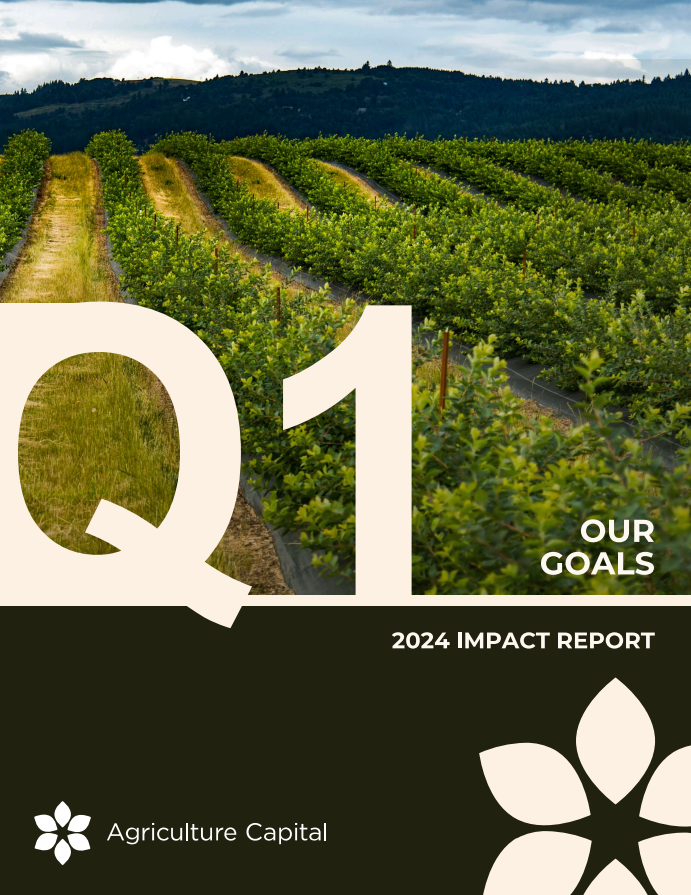
    Can you actually have performance and regenerative impact at scale? Yes, you can! After nine years of annual impact reporting, Agriculture Capital (AC) has shifted to a quarterly format to provide a more integrated perspective, combining regenerative progress with our financial reporting. The Q1 2024 Impact Report continues to evolve our decade-long commitment to proving […]

  • Post

    From Farm to Phenomenal: The Innovation Behind Sumo Citrus®’ Market-Leading Performance

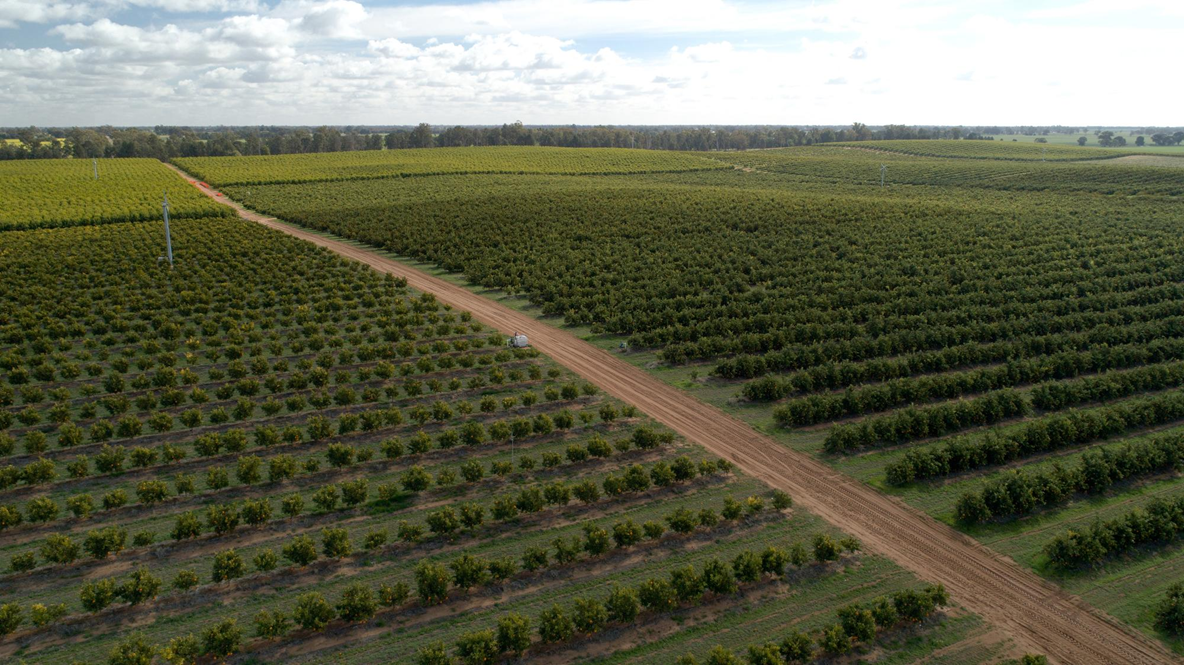
    Through the most recent Sumo Citrus season, the brand accounted for 74% of total growth realized by the mandarin sub-category and 29% of total growth among all citrus products at the grocery store. This category leadership demonstrates how rethinking produce to deliver extraordinary consumer value—through repeatable superior quality, convenience, and price—creates good outcomes for consumers and grocery customers alike.

  • Post

    Sumo Citrus®: Aligning Consumer Values with Agricultural Investment

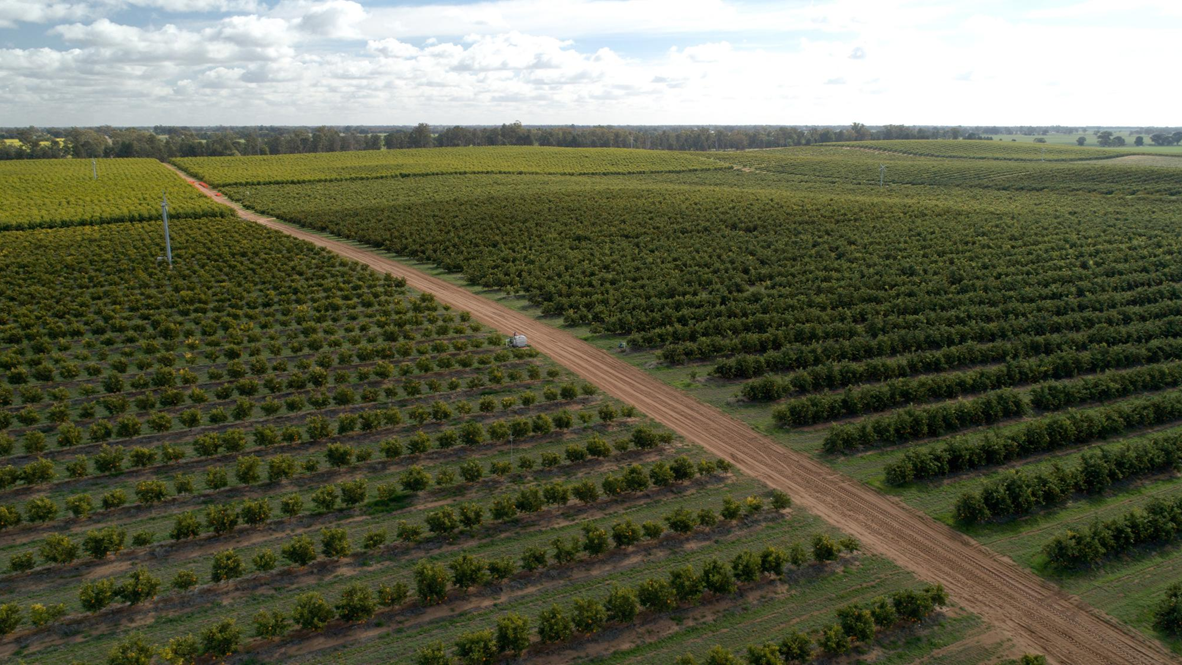
    Sumo Citrus exemplifies how consumer-driven demand for sustainable and high-quality products can be successfully met through thoughtful and innovative agricultural practices. At Agriculture Capital, this case study reinforces our commitment to investments that not only yield financial returns but also contribute positively to the planet and its people.

  • Post

    A Primer on Investing in (Regenerative) Farmland

    Since 2014, Agriculture Capital has pioneered the integration of regenerative agriculture into our investment strategies, enhancing these fundamental aspects. By invigorating natural systems, regenerative practices add natural capital of the land, to not only mitigate risks and enhance returns,  but also pave the way for a sustainable and resilient future.

  • Post

    Agriculture Capital Welcomes New Partner, Ben Vitale, to Advance Regenerative Agriculture Initiatives

    AC’s team, with Ben’s carbon expertise, is poised to help corporations meet their net-zero goals by integrating carbon removals and emission reductions generated by AC’s agriculture platform including our support to an expanding base of grower-partners.

  • Post

    Carbon Credit Quality Characteristics: Upsides & Exclusivity

    We are passionate about regenerative agriculture’s ability to not only to generate high-quality carbon credits, but also to provide a range of upsides and co-benefits. By investing in restorative farming practices, we're catalyzing a systems-level transformation that goes beyond carbon sequestration.

  • Post

    Carbon Credit Quality Characteristics: Quantification

    To provide the highest-level of assurance of the carbon credit value chain, we have continued to improve measurement and reporting to make the process less cumbersome and expensive but of increasingly high quality and integrity.